
B201, University of Auckland
OVERVIEW
B201 is New Zealand’s highest scoring Green Star rated building, achieving a 6 Green Star Design rating and a record 93 points. Located at 10 Symonds Street, the project redeveloped the University of Auckland’s former Social Sciences building. Through an adaptive reuse approach an end-of-life 1970s structure was transformed into a modern academic environment for multiple faculties. Engineering was led by Beca with architecture by Jasmax.
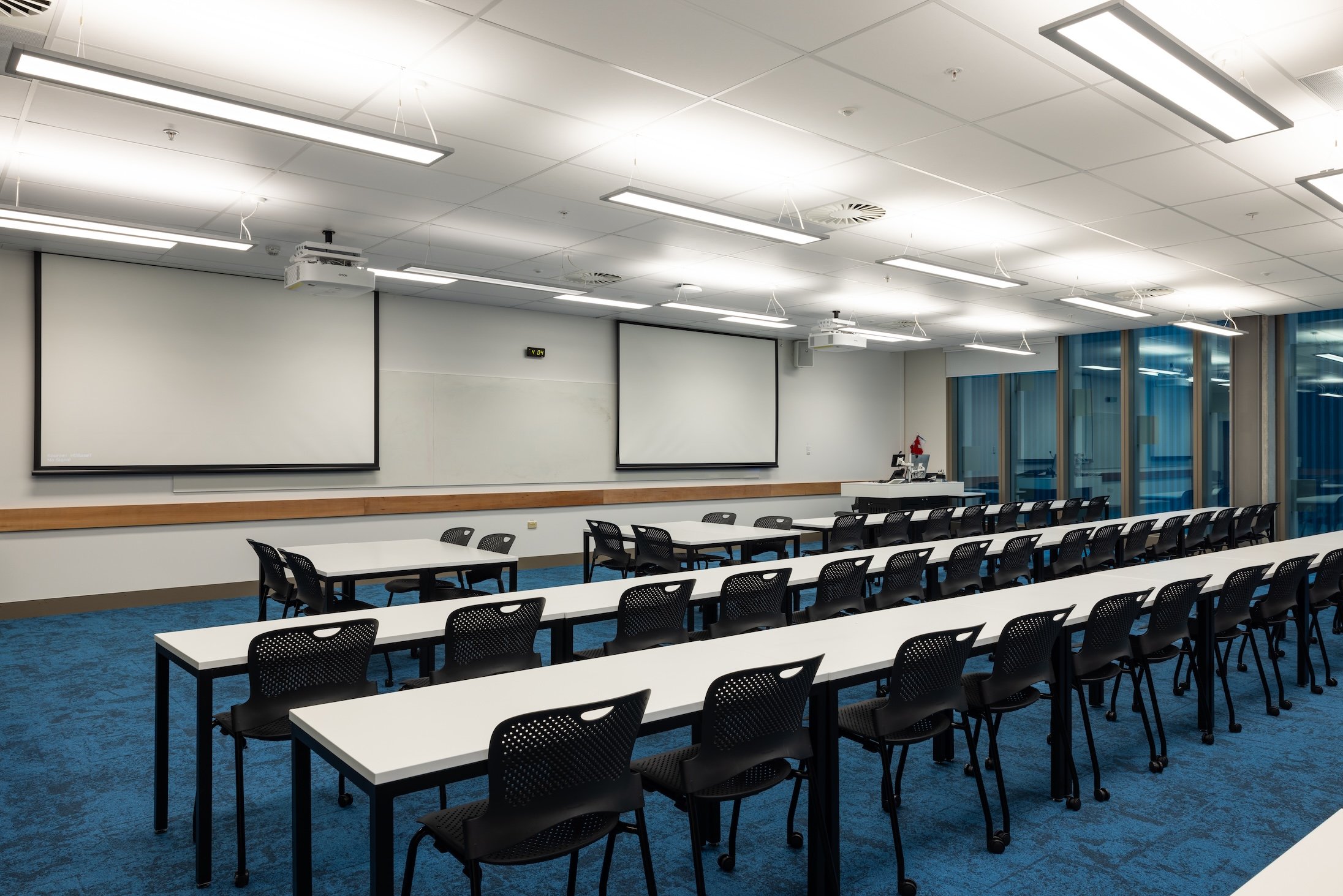
MHL supplied TRILUX Luceo suspended luminaires to teaching and learning spaces as part of Beca’s lighting strategy.
CLIENT
University of Auckland
TEAM
Beca
Jasmax
PRODUCT
TRILUX Luceo
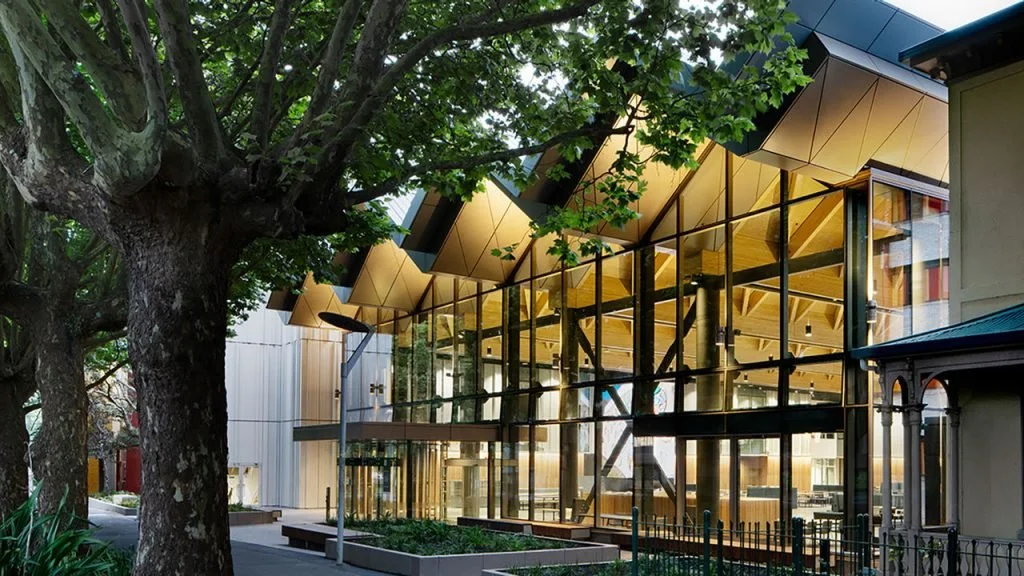
The University of Aucland’s B201 building. Photo: Jasmax
PROJECT BRIEF
The project team set a clear sustainability target from the outset: achieve a 6 Green Star rating and pursue maximum credits across the rating tool, rather than settle for a baseline result. That ambition set a high bar for every discipline involved, including lighting.
Martin Granese from the Beca Lighting Studio noted that the most demanding Green Star lighting credit typically requires uplight and stronger illumination of vertical surfaces. Meeting that requirement pushed the team toward a direct and indirect approach, rather than relying solely on recessed ceiling solutions.
THE APPROACH
Beca reviewed several luminaire options, obtained samples and budget pricing, and narrowed the selection to two final candidates before confirming the specification. TRILUX Luceo was chosen for its performance, its form and aesthetics, and its suitability for a direct and indirect lighting strategy.
The indirect component was central to that decision. While it is often the first element removed when project budgets tighten, retaining it here materially improved perceived brightness and spatial quality, and directly supported the Green Star lighting requirements the project was targeting.
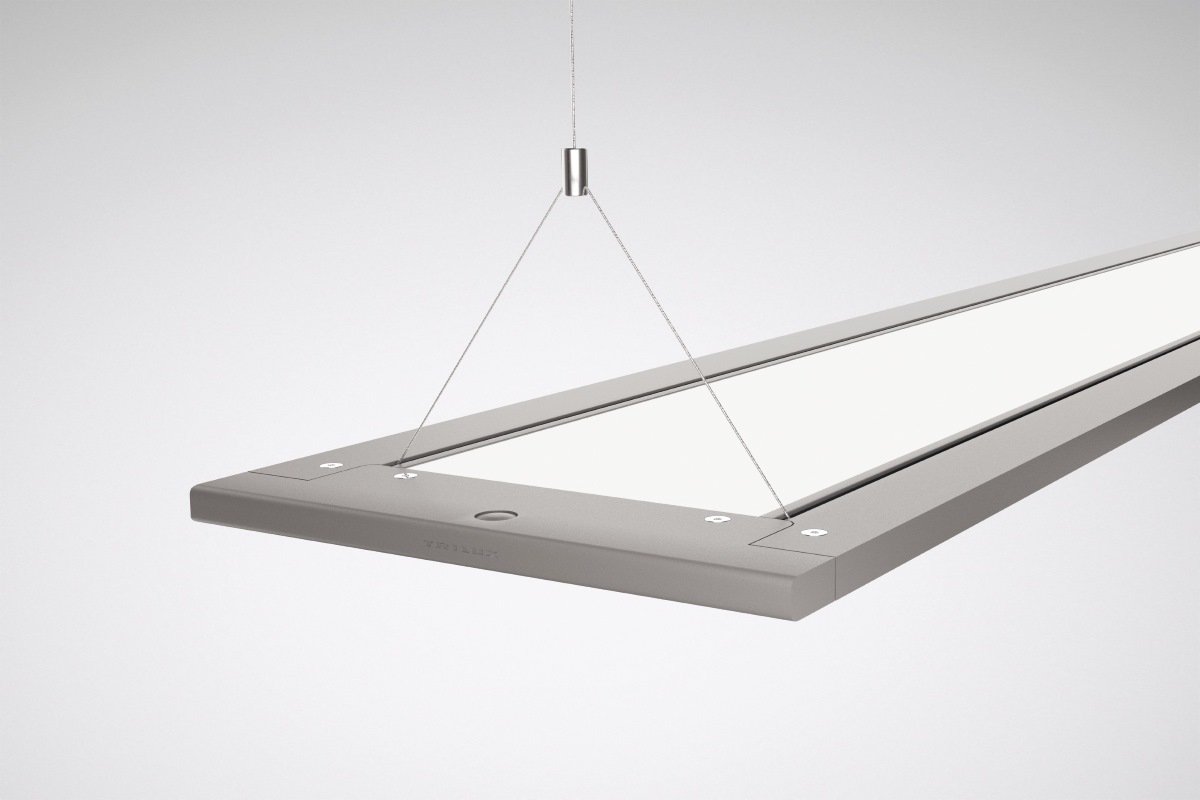
The TRILUX Luceo suspended luminaire
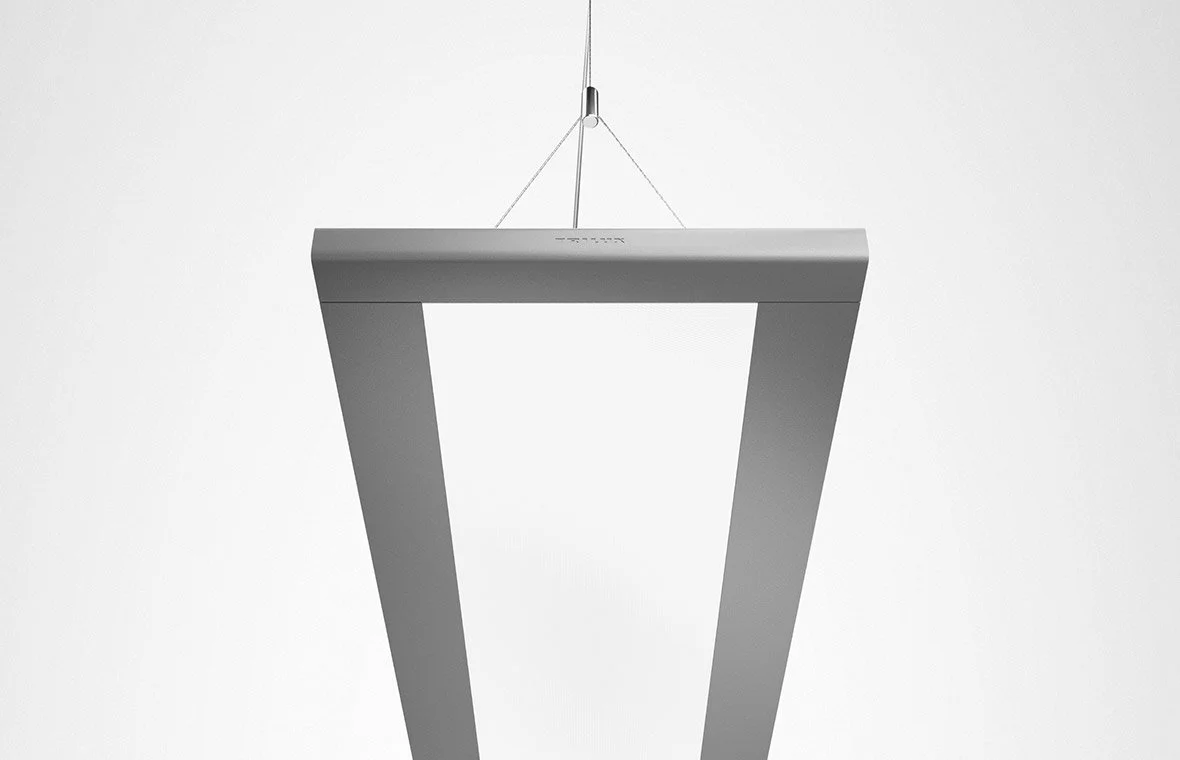
The TRILUX Luceo suspended luminaire
CHALLENGES
Many of the teaching spaces had ceiling heights of around 2.7 metres, which limited the suspension drop available and reduced the separation needed to fully diffuse the indirect distribution. In some rooms, this resulted in ceiling hot spotting where greater clearance would typically soften the effect.
Facilities management also raised practical considerations common to suspended direct and indirect systems, including cleaning and dusting requirements needed to keep the luminaires performing as intended over time.
THE RESULT
The lighting supports calmer, brighter learning environments throughout the building. B201 has been recognised publicly as a benchmark for sustainability and adaptive reuse, and the 6 Green Star outcome backed by the record 93-point score reinforces B201’s status as a genuinely world leading project in New Zealand’s built environment.
“B201 highlights how we can avoid knocking down our existing spaces and instead adaptively re-use them, slashing our carbon emissions while creating a space fit for the future.”
PRODUCT
TRILUX Luceo (suspended direct and indirect)
Application: Classrooms and teaching spaces
Chosen for: Supporting the project’s most demanding Green Star lighting requirement by delivering a meaningful indirect component, improving vertical illumination, and creating a lighter, brighter learning environment
Also valued for: Preferred aesthetics and form factor following option comparison and pricing review
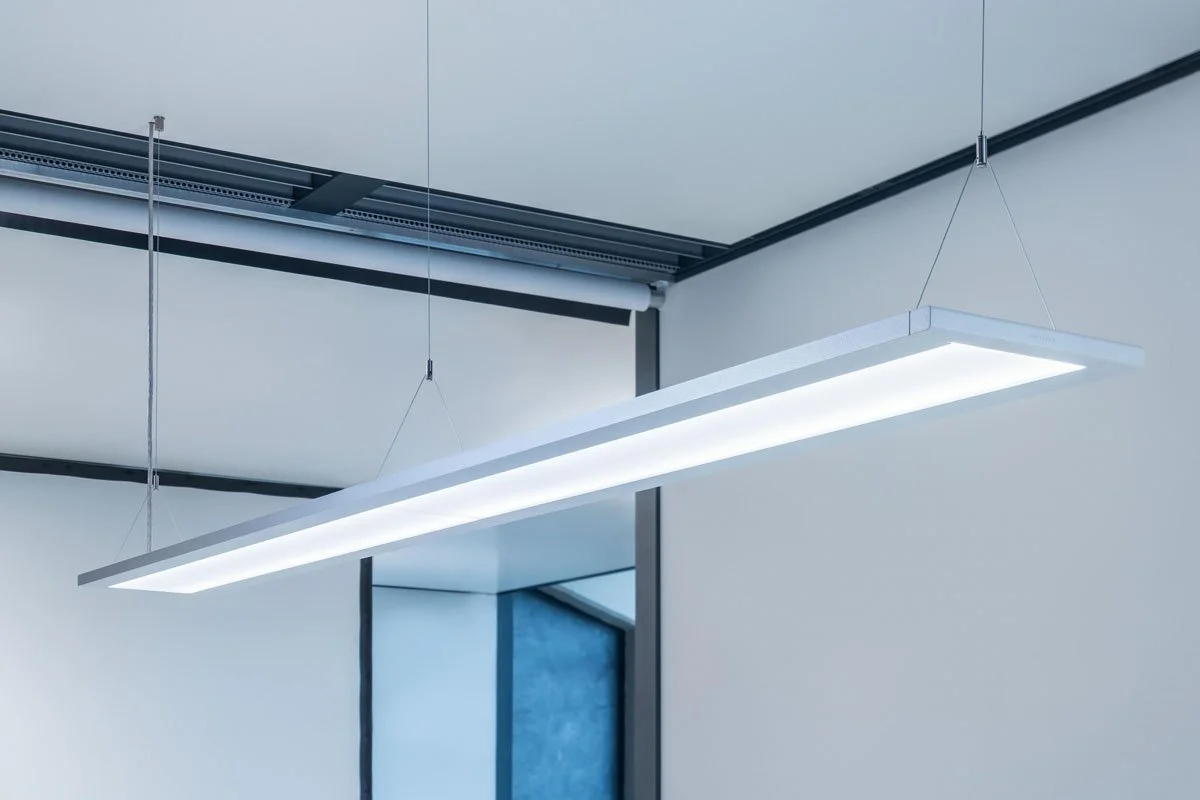
The TRILUX Luceo suspended luminaire